
带来能力与需求Bring capabilities and needs
参与者说明设备、服务或智能体能做什么,以及希望改善的任务。Participants describe what their devices, services or agents can do and the task they want to improve.
开发者提供软件能力,设备伙伴连接现场,场景方带来需求与反馈。AIOS 围绕任务组织调用,记录结果与贡献,让参与者有依据改进能力、讨论下一次协作。Developers provide software capabilities, device partners connect the field, and scenario owners bring needs and feedback. AIOS organizes calls around a task and records outcomes and contributions, giving participants a basis for improvement and future collaboration.
当前聚焦具体项目中的可信协作;更完整的能力网络与结算机制仍需运行证据支撑。The current focus is trusted collaboration in specific projects. Fuller capability networks and settlement mechanisms still need operating evidence.
职责与机制示意Roles and mechanics
明确目标、边界与结果Clear goals, boundaries and outcomes
提供可验证的能力Provide verifiable capabilities
参与任务与能力调用Join tasks and capability calls
连接物理能力Connect physical capabilities
给出需求与现场反馈Bring needs and field feedback
提供资源与专业支持Provide resources and expertise
目标是让反馈可复用;改进效果仍需真实任务验证。The goal is reusable feedback; improvement still needs validation in real tasks.
参与者说明设备、服务或智能体能做什么,以及希望改善的任务。Participants describe what their devices, services or agents can do and the task they want to improve.
按真实条件找到合适能力,在有效权限内组织执行。Find suitable capabilities under real conditions and organize execution within valid permissions.
保留执行结果、失败原因、贡献来源与人的纠正,供后续核查。Keep outcomes, failure reasons, contribution provenance and human corrections for later review.
用反馈评估能力版本,检查改进是否减少同类错误、是否可以再次使用。Use feedback to evaluate capability versions and check whether improvements reduce repeated errors and support reuse.
从反馈,回到下一次任务。From feedback to the next task.
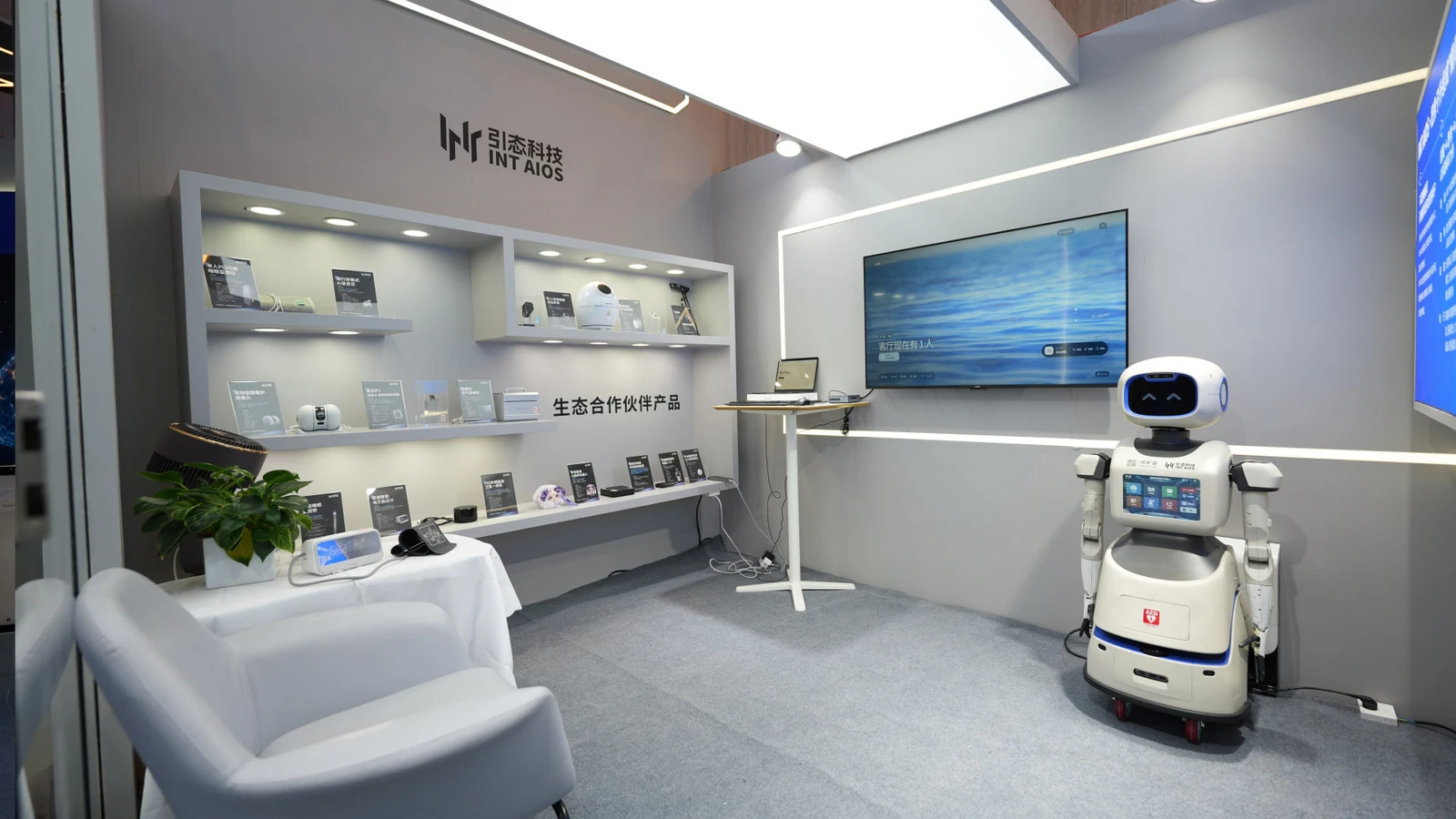
人和组织提供能力、现场条件与需求;智能体和设备在任务中承担具体动作。先明确各自贡献与调用边界,再进入协作。People and organizations bring capabilities, field conditions and needs. Agents and devices perform specific actions in a task. Define contributions and calling boundaries before collaborating.
构建智能体、MCP 服务与 Skills,说明能力范围,并带入真实任务验证。Build agents, MCP services and Skills, define their scope and validate them in real tasks.
携带身份、状态与经验,按任务分工调用能力,并留下执行结果。Carry identity, state and experience, call capabilities according to task roles and leave execution outcomes.
说明设备身份、位置、已有能力与调用条件,连接可信的现场动作。Define device identity, location, existing capabilities and calling conditions to support trusted field actions.
明确要改善的任务、空间条件、允许的动作,以及判断结果的方式。Define the task to improve, spatial conditions, permitted actions and how to assess outcomes.
围绕具体项目提供渠道、制造、云模型或专业能力,确认各自参与范围。Provide channels, manufacturing, cloud and model resources or specialist capabilities for a specific project, with agreed participation scope.
当前检验执行可靠、失败恢复、持续使用与跨空间复用。城市级能力网络是长期方向;运营商可作为渠道与网络基础设施伙伴参与建设。Current validation examines reliable execution, failure recovery, sustained use and reuse across spaces. City-scale capability networks are a long-term direction; telecom operators may participate as channel and network-infrastructure partners.
验证任务能否稳定完成,失败能否定位并恢复到安全状态。Test whether tasks can finish reliably and whether failures can be located and recovered to a safe state.
验证人的纠正是否进入版本评估,以及改进后同类错误是否减少。Test whether human corrections inform version evaluation and whether improvements reduce repeated errors.
验证状态模型、设备适配、权限策略和执行规则能否在第二个真实空间使用。Test whether state models, device adapters, permission policies and execution rules can be used in a second physical space.
明确设备、软件服务或智能体的能力、接入要求与调用边界,从具体协作中确认价值。Define your device, service or agent capability, integration requirements and calling boundaries, then test its value through concrete collaboration.