跳至正文 / Skip to content

让 AI 的判断,变成现场行动。Turn AI judgments into action in the field.

感知环境、按授权调用设备,再确认动作后的变化。AIOS 把这些环节接成一项任务,让智能体、设备与人围绕同一个目标协作。Sense the environment, call devices with permission, then check what changed. AIOS connects these steps so agents, devices and people work toward one goal.

当前通过具体项目验证协作;可用能力与设备接入范围按项目确认。Coordination is being validated through specific projects. Available capabilities and device integrations are confirmed per project.

从任务到现场From task to field

职责与机制示意Roles and mechanics

同一项任务,共同的目标与边界One task, shared goals and boundaries
  1. 云侧 · 组织任务Cloud · organize the task

    引核Cortex

    任务、权限与能力调用Tasks, permissions and capability calls

  2. 空间边缘 · 现场承载Spatial edge · field environment

    引元Origin

    承载边缘运行,连接现场Hosts edge operation and connects the field

  3. 物理现场 · 执行动作Physical field · act

    设备与服务Devices & services

    在允许的边界内执行Act within permitted boundaries

    引芯 · 设备可信接入Nexus · trusted device entry

    身份 · 位置 · 能力Identity · location · capabilities

实际状态与结果,回到任务核查Actual state and results return for verification

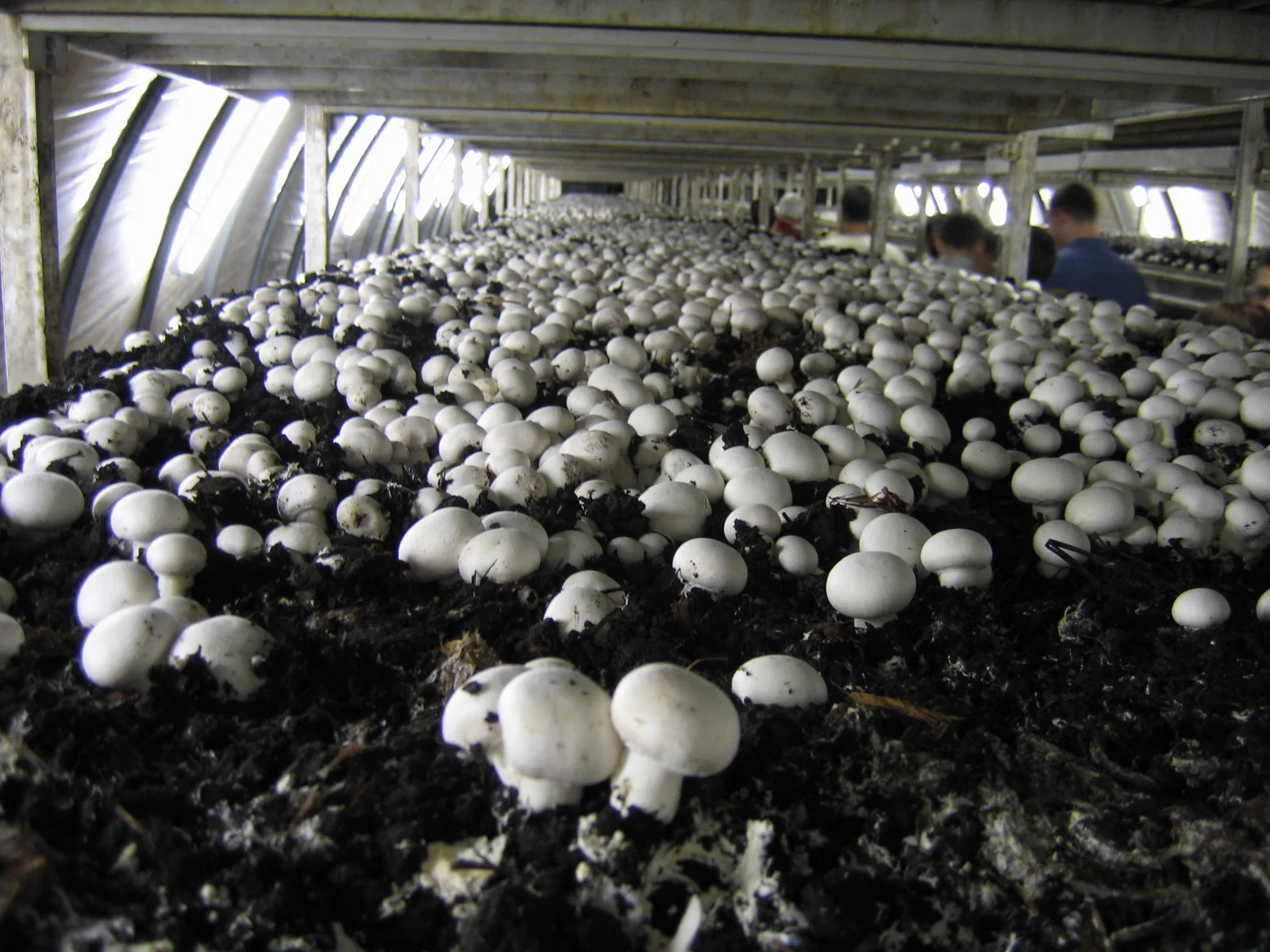
菌菇培育 · 环境调控Mushroom cultivation · Environmental control

机制示意 · 非实时数据Mechanism illustration · Not live data
Reference photograph of mushroom cultivation, not an INT pilot site
行业资料图 · 非引态试点实拍Industry reference · Not an INT site
温度 · 湿度 · CO₂Temperature · Humidity · CO₂

同一片空间, 需要彼此配合的能力。One environment. Capabilities working together.

环境在变化, 设备需要配合。Conditions change. Devices need to work together.

菌菇培育需要关注温度、湿度与 CO₂。感知、通风、加湿和温控,共同服务于环境调节。Mushroom cultivation depends on temperature, humidity and CO₂. Sensing, ventilation, humidification and temperature control all contribute to the same task.

理解现场Read the environment
汇集温度、湿度与 CO₂ 等状态。Bring temperature, humidity and CO₂ into context.
共同响应Coordinate a response
让感知与设备控制围绕同一目标配合。Connect observations and device control around a shared goal.
三个观察面,同一项任务Three perspectives. One task.

试点进展:已实现环境感知、设备控制与培育结果反馈。协作图解释系统设计,不代表所有产品均已部署。Pilot progress: sensing, device control and cultivation feedback are implemented. The diagram explains system design; it does not imply deployment of every product.

图片来源与许可Image source & license

Mushroom Farm · Andrew Bossi · CC BY-SA 2.5 · 缩小与格式转换,页面裁切;非引态试点。Resized, converted and displayed cropped; not an INT pilot.

让下一次任务,有经过验证的经验可用。Give the next task verified experience to build on.

现场运行还需要模型、开发者与能力供给。任务结果、失败原因和人的纠正经过验证,才成为改进与复用的依据。Field operation also needs models, developers and capability supply. Verified outcomes, failures and human corrections inform improvement and reuse.

模型帮助理解与判断Models support understanding and judgment

天枢管理和交付模型服务或模型包;灵枢、地枢及其他模型提供认知或空间理解。动作执行前,仍需检查现场状态与权限。TianShu manages and delivers model services or packages. LingShu, DiShu and other models provide cognitive or spatial understanding. Field state and permissions still need checking before action.

开发者带来新的能力Developers bring new capabilities

开发者封装和测试设备、软件服务或智能体能力;织界帮助需求找到合适能力,并记录调用与贡献。Developers package and test device, service or agent capabilities. Orcha helps demand find suitable capabilities and records calls and contributions.

经验用于评估与改进Experience informs evaluation and improvement

元域保存经验、评估能力版本,并记录能力来源。改进后的能力仍需验证,才能进入后续任务。Realm stores experience, evaluates capability versions and records provenance. Improved capabilities still need validation before use in later tasks.

先说明能做什么,再确认怎样调用。Define the capability, then agree how to call it.

不同产品需要对任务、状态、权限和结果保持一致理解。具体 API、SDK 和可用版本,以对应产品文档与项目验证为准。Products need a shared understanding of tasks, state, permissions and outcomes. Product documentation and project validation determine available APIs, SDKs and versions.

身份与允许的动作Identity and permitted actions

明确谁提供能力、可在哪些条件下调用,以及哪些动作需要人的确认。Identify who provides the capability, the conditions for calling it and the actions that need human confirmation.

结果与失败处理Outcomes and failure handling

返回实际执行状态、可核实结果和失败原因,让后续步骤能够继续、恢复或交由人处理。Return actual execution state, verifiable outcomes and failure reasons so the next step can continue, recover or hand over to a person.

从一项明确的现场任务开始。Start with a clear task in the field.

说明现场条件、可接入设备、允许的动作与结果标准,再共同判断需要哪些产品和能力。Describe field conditions, available devices, permitted actions and outcome criteria, then identify the products and capabilities needed.